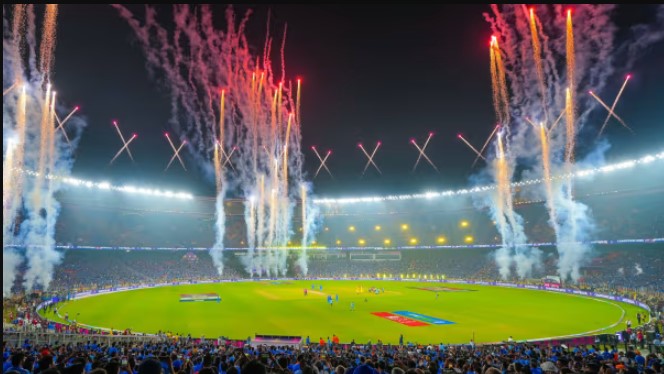
Football finals, tennis slams, even cricket tests, every big event now unfolds under a dense net of lenses and screens. Moments that once lived only in memory or slow-motion replays during the broadcast are captured from a dozen angles, translated into data, and piped straight to officials standing metres from the action. Internal research shared by casino slimking links this growing toolkit to fewer disputed calls and shorter stoppages, a combination that pleases coaches, sponsors, and armchair referees alike.
When a key incident happens, the process begins before the crowd finishes gasping. Goal-line sensors send an encrypted pulse to a wristwatch, optical trackers draw virtual off-side lines in real time, and a dedicated analyst room orders the most revealing frame to appear on a pitch-side monitor. The referee keeps control, yet rich evidence replaces guesswork, and the match moves forward with confidence rather than controversy.
What Powers the Modern Review Booth
Toolkits Beyond the Whistle
- Ultra-wide cameras capture the entire pitch, separating every player into trackable silhouettes
- Calibration algorithms correct lens distortion, allowing centimetre-accurate distance checks
- Microchip-laden balls record speed, spin, and exact impact points on the boot or racket
- Cloud relays synchronise feeds from broadcasters, club analysts, and stadium cameras within a single interface
- Secure comms pipes protect the final call from outside interference or accidental leaks
Clubs harness the same feeds after the final whistle. Training sessions include freeze-frame lessons on defensive spacing, set-piece rehearsals based on repeated patterns, and individual clips that show a winger exactly when a step-over fooled a marker. Video becomes scholarship as well as adjudication.
Tactical Shifts Driven by Evidence
Coaches trust their eyes, but the screen often confirms what tired minds miss. If a midfield press leaves a channel exposed, heat maps reveal the blind spot. Should a striker drift off-side too often, limb-tracking data pinpoints mistimed runs, leading to drills that adjust timing by tenths of a second. Recovery plans benefit too, with high-impact collisions flagged for medical checks even when the player insists nothing feels wrong.
Purists sometimes claim that the rhythm suffers. Governing bodies answer by narrowing review categories to decisive moments, capping the time allowed, and broadcasting the process on stadium screens so supporters can follow each step. Transparency softens resistance; fans prefer a brief wait over a season-shaping error.
Roadblocks Still in Play
Budget gaps separate elite arenas from lower divisions. Many second-tier grounds lack fibre backbones or calibrated goalposts, leaving smaller clubs to rely on traditional officiating. Data overload also threatens, as staff drown in clips without the specialists needed to translate information into practical coaching cues.
Privacy and ethics present another frontier. Player tracking involves biometric data, and cross-border tournaments juggle a patchwork of regulations. Leagues now invest in anonymisation protocols and clear consent agreements to keep innovation on the right side of both law and trust.
Future-Facing Add-ons That Could Arrive Soon
Beyond Slow-Motion
- Lightweight smart glasses that overlay off-side guides directly into a referee’s field of vision
- Machine-learned models predicting the optimal camera angle before human analysts select it
- Real-time injury risk alerts based on joint load calculations, reducing substitutions born of guesswork
- Ball microchips transmitting flight paths to television graphics milliseconds after a free-kick leaves the turf
- Crowd-noise algorithms suppressing chants during VAR explanations so stadium audiences understand every word
Each idea sounds futuristic, yet prototypes already exist in labs run by equipment partners eager for the next competitive edge.
A Broader Impact on Storytelling
Supporters at home gain richer commentary, complete with overlays that visualise expected goals, shot trajectory, and defender proximity. Social media accounts clip pivotal angles minutes after they air, fuelling debate with clear evidence rather than blurry screenshots. Documentary crews trawl archived multi-view footage to craft narratives that unpack tactical chess matches once hidden from public view.
Sponsors benefit as well. Clearer officiating means fewer match protests and safer investments in performance-based bonuses. New advertising inventory emerges when broadcasters display branded analysis segments, and tech providers enjoy prime placement each time the replay logo flashes on screen.
Closing Thoughts
Video technology has not removed human judgement, it has framed that judgement with clarity, context, and calm. Referees still blow the whistle, captains still lobby for their sides, and supporters still groan or cheer, yet the decisive moments arrive backed by evidence that withstands freeze-frame scrutiny. As costs fall and networks speed up, expect even grassroots competitions to adopt simplified versions of today’s elite systems, shrinking the gap between neighbourhood pitches and global finals. The beautiful game remains beautiful, only now it is also more precise.